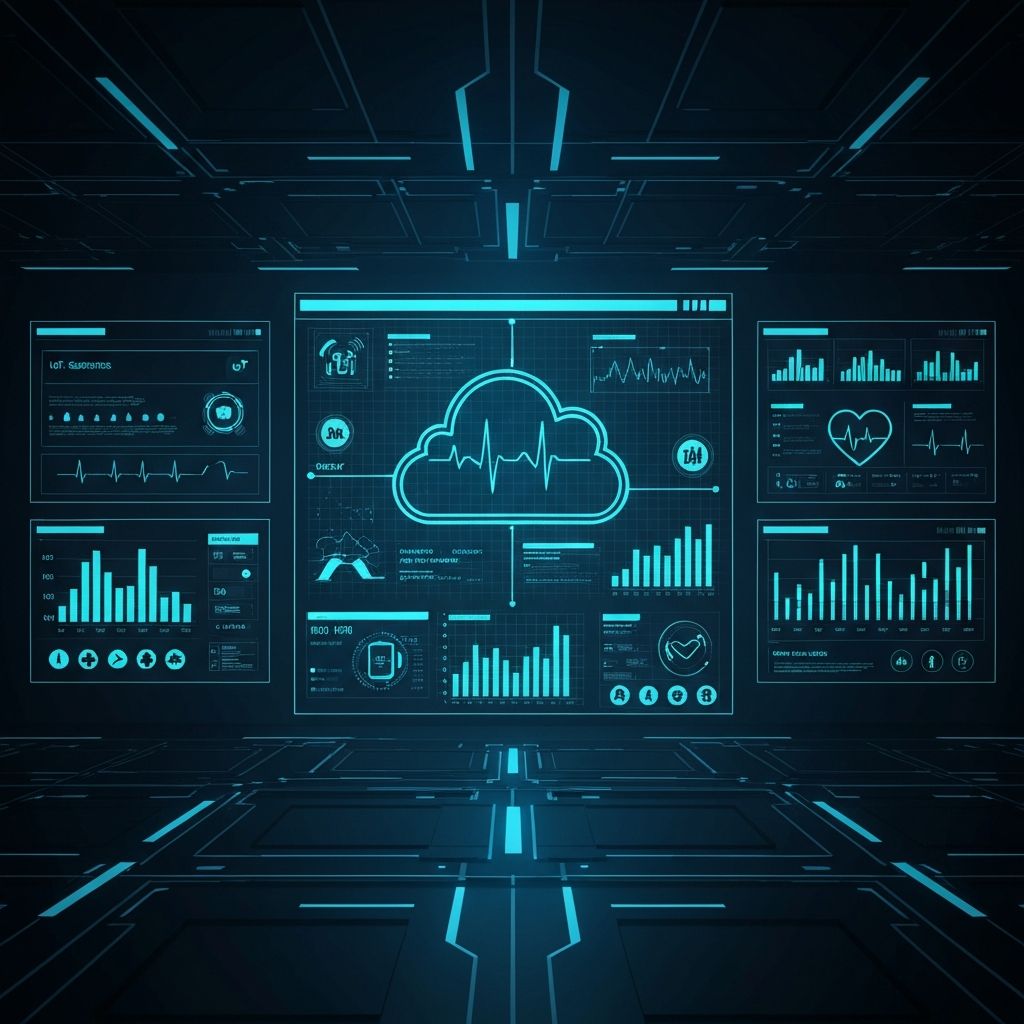
The convergence of Artificial Intelligence and the Internet of Things is reshaping healthcare delivery in ways we could only imagine a decade ago. Edge computing, in particular, is emerging as a critical enabler for real-time patient monitoring and predictive diagnostics.
From Reactive to Proactive Healthcare
Traditional healthcare has always been reactive: patients experience symptoms, seek care, and receive treatment. The IoT revolution is fundamentally changing this paradigm by enabling continuous monitoring and predictive interventions.
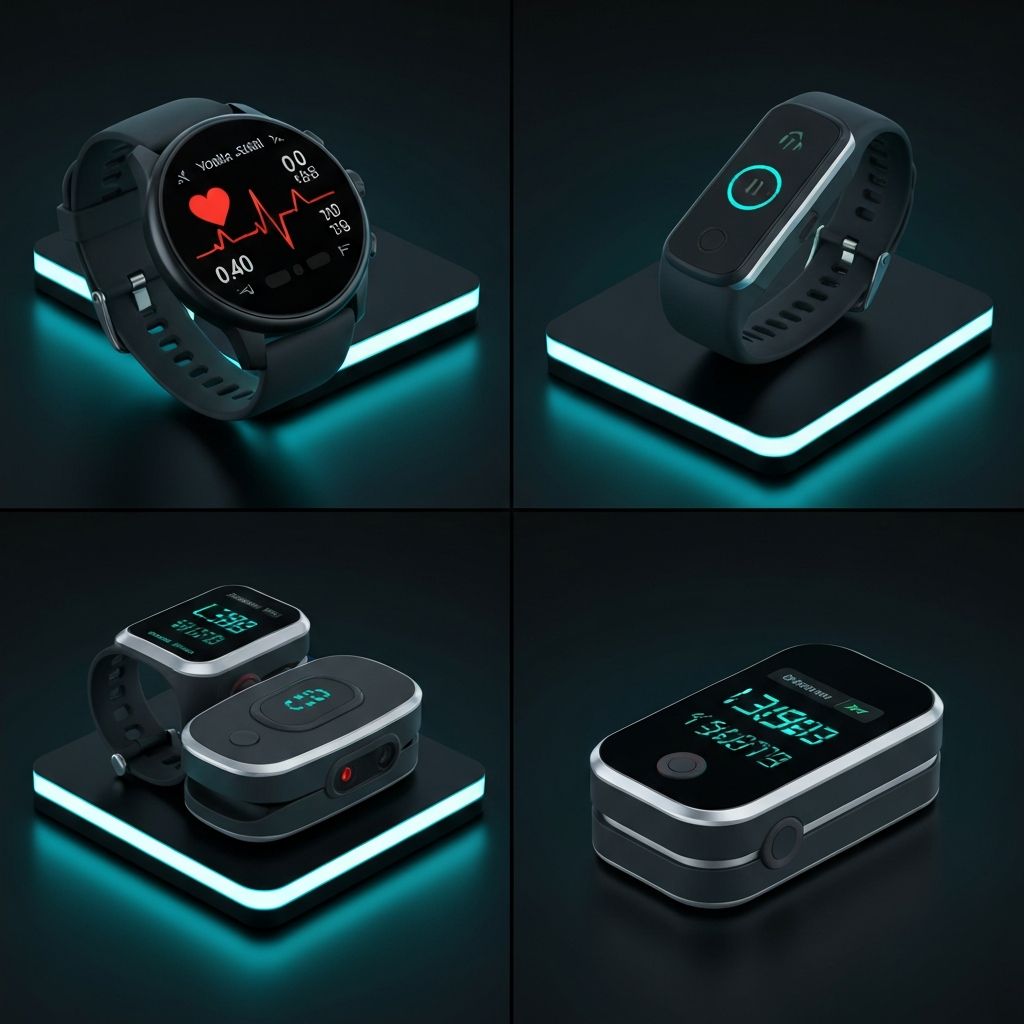
Wearable devices now capture vital signs around the clock, transmitting data to cloud platforms where AI algorithms analyze patterns and detect anomalies before they become critical. This shift from reactive to proactive care has the potential to save countless lives.
"The best treatment is prevention. IoT gives us the eyes to see problems before they manifest."
Technical Stack for HIPAA-Compliant IoT Data Pipelines
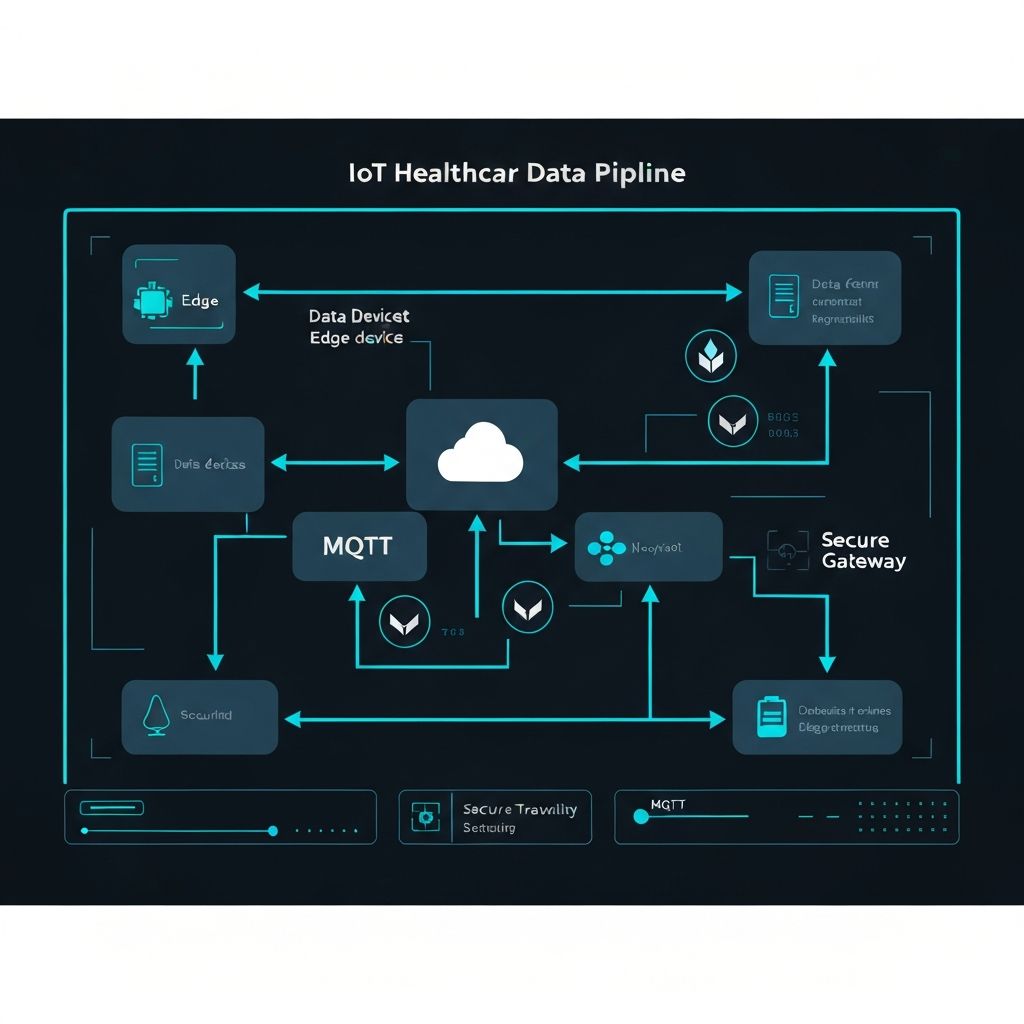
Building healthcare IoT solutions requires careful attention to security and compliance. Here is a reference architecture for a HIPAA-compliant data pipeline:
// Edge Device Data Handler
interface VitalSigns {
  heartRate: number;
  bloodPressure: { systolic: number; diastolic: number };
  oxygenSaturation: number;
  temperature: number;
  timestamp: Date;
}

async function processVitalSigns(data: VitalSigns) {
  // Encrypt at the edge before transmission
  const encrypted = await encryptWithAES256(data);

  // Send to secure MQTT broker
  await mqttClient.publish('vitals/patient/{id}', encrypted, {
    qos: 2, // Exactly once delivery
    retain: false,
  });
}
Key components of this architecture include:
- Edge encryption: All data encrypted before leaving the device
- Secure transport: TLS 1.3 for all communications
- Audit logging: Complete trail of all data access
- Access controls: Role-based permissions at every layer
Future-Proofing Mobility Apps in the Medical Space
Mobile applications in healthcare must be built with longevity in mind. Regulatory requirements evolve, device capabilities expand, and user expectations grow. A robust architecture using cross-platform frameworks like Flutter enables rapid iteration while maintaining a single codebase.
// Flutter health data provider with offline support
class HealthDataProvider extends ChangeNotifier {
  final LocalStorage _storage;
  final SecureApi _api;

  Future<void> syncVitals() async {
    final pendingData = await _storage.getPendingUploads();

    for (final record in pendingData) {
      try {
        await _api.uploadVitals(record);
        await _storage.markAsSynced(record.id);
      } catch (e) {
        // Retry on next sync cycle
        await _storage.incrementRetryCount(record.id);
      }
    }
    notifyListeners();
  }
}
Conclusion
The synergy between AI and IoT in healthcare represents one of the most promising technological convergences of our time. By building secure, compliant, and future-proof systems, we can unlock the full potential of connected health devices and AI-driven insights to improve patient outcomes worldwide.